
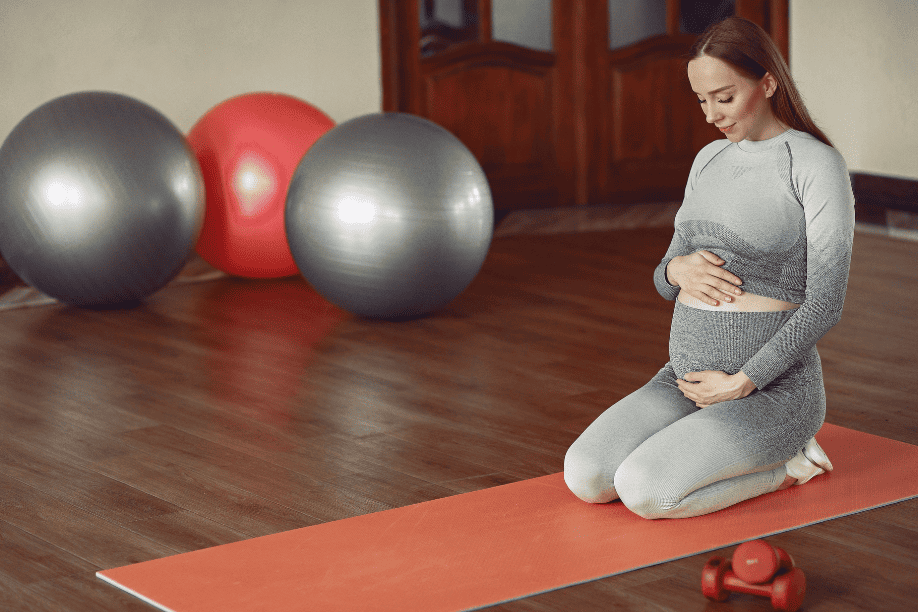
Complete Guide To Prenatal And Postnatal Fitness Training In The UAE
Pregnancy is one of those experiences you cannot prepare for until you are living it. It changes your body, emotions, and sense of self, all while growing a human being. For first-time mothers, it can feel both magical and overwhelming at the same time.
Your body is working harder than ever and needs the right support, movement, and care to get through pregnancy and recover afterward. Prenatal and postnatal care becomes essential for you and your baby.
In the UAE, working with a qualified Dubai prenatal fitness trainer gives you safe, professional guidance tailored to your body and stage of pregnancy. This guide covers everything you need to know about fitness before and after birth.
Why Does Prenatal Fitness Matter For Women?
It is never about staying slim. Prenatal fitness is about helping your body do one of the hardest things it will ever do, with more strength, smooth labour, and better recovery.
Here is what consistent light exercises during pregnancy actually do:
- Eases back pain, pelvic pressure, and swelling
- Reduces the risk of gestational diabetes and excess weight gain
- Improves sleep and stabilises your mood on harder days
- Builds the pelvic floor and core strength your body needs during labour
- Keeps your energy levels up so you feel less exhausted during labour.
Women in the UAE face an extra challenge here. The heat, the desk jobs, the tendency to slow down completely. All of it makes regular pregnancy-safe exercise even more important. A certified pregnancy fitness trainer ensures every session is built around where you actually are, not a generic plan pulled off the internet.
What Are The Essential Components Of Prenatal Care
1. Regular Monitoring
Consistent checkups keep both you and your baby safe throughout pregnancy. It also gives you peace of mind on the harder days.
- Nutrition and Diet
A balanced diet during pregnancy genuinely shapes how you feel day to day. Whole foods, fruits, dairy, and grains give your body the steady energy it needs without the crashes.
- Protein from lentils, dairy, and lean meats
- Iron-rich foods to prevent anemia
- Folate for development
- Calcium for bones
Warm, easily digestible meals are recommended for better nutrient absorption.
3. Prenatal Yoga
Gentle prenatal yoga stretches your body, soothes your mind, and prepares you for labour.
- Enhances sleep quality
- Reduces anxiety
- Improves circulation
- Strengthens pelvic muscles
It also builds confidence and promotes a positive childbirth experience.
4. Abhyangam: Prenatal Massage
A gentle oil massage does more than just help you unwind. It eases muscle tension, gets circulation moving, and actually makes a difference in how your body feels day to day.
- Reduces swelling
- Improves skin elasticity
- Balances hormones
Regular sessions support both physical and emotional health.
When Should You Start Postnatal Training?
This is where a lot of women get it wrong. Feeling okay at week four does not mean your body is ready. Here is a realistic timeline:
- 0 to 6 weeks: Gentle walks, deep breathing, Kegel exercises only
- 6 to 12 weeks: Light core rebuilding and bodyweight movements
- 3 to 6 months: Structured strength training and low-impact cardio, gradually
- 6 months onward: Progressive increase towards pre-pregnancy goals
Structured postnatal personal training in Dubai removes guesswork. A qualified trainer ensures safety and effectiveness.
What Are The Key Components Of Postnatal Care
1. Rest and Recovery
Rest allows the body to heal after childbirth. Support from family helps speed up recovery and reduces strain.
2. Postnatal Nutrition
Nutrition restores lost energy and supports breastfeeding.
- Warm, easy-to-digest foods
- Iron-rich and protein-based meals
- Hydration with herbal drinks
Avoid processed and hard-to-digest foods.
3. Postnatal Massage and Therapies
Postnatal massage supports healing and relaxation.
- Improves circulation
- Reduces muscle tension
- Helps the uterus recover
- Supports emotional balance
4. Pelvic Floor Recovery
Pelvic floor exercises rebuild strength after childbirth.
- Supports bladder control
- Improves core stability
- Prevents long-term issues
5. Mental Health and Emotional Support
Emotional care is crucial during recovery. It helps
- Manage mood changes
- Address anxiety early
- Build strong support systems
What Exercises Are Safe and What Should You Skip?
What works well:
- Light walking
- Swimming or aqua aerobics
- Prenatal yoga and Pilates
What to avoid:
- Heavy lifts and contact sports
- Traditional crunches
- Any activity with a high fall risk
- Lying flat on your back after 20 weeks
Listen to your body. If something feels wrong, stop immediately. Whether you’re expecting or have just welcomed your little one, staying active safely can feel overwhelming. That’s where WeTrain comes in.
WeTrain: Start Your Personalized Prenatal And Postnatal Fitness Journey Today
At WeTrain, we know that every pregnancy and recovery journey is different, and that’s why we don’t do one-size-fits-all programs. We match you with a certified trainer who understands your trimester, delivery type, and health history, so every session is tailored just for you. You can train wherever feels best, at home, in a gym, or outdoors.
Before we start your postnatal plan, we check your core and pelvic floor, and then adjust each session based on how your body feels that day. We also stay in close touch with your healthcare team to keep your progress safe and effective.
If you’re not sure where to begin or want to feel strong again, our women’s fitness coaches in Dubai will guide you every step of the way.
FAQs
- Is it actually safe to exercise in the first trimester?
For most healthy pregnancies, yes. Moving early on is generally encouraged. Just check with your doctor before starting anything new.
- Can I keep strength training while pregnant?
You can, and many women do throughout. The key is proper modifications and sensible loads. Anything that pressures the abdomen gets swapped out.
- When can I realistically start training again after a C-section?
Give yourself at least 8 to 12 weeks. A gradual, trainer-led return is the safest way back.
- Will exercise affect my breast milk?
Moderate exercise does not reduce supply. Stay hydrated and feed before sessions for comfort.
- How often should I actually be training during pregnancy?
Around 150 minutes of moderate movement per week is a solid target. A good trainer adjusts this trimester by trimester based on how your body is feeling.